The Essence of Luck in Gaming
Luck is often perceived as the driving force behind many gaming experiences in casinos. It embodies the unpredictable nature of games, from the spin of a roulette wheel to the flip of a card. Unlike many traditional forms of entertainment, the outcome in a casino game is not solely determined by skill; instead, chance plays a critical role. This unpredictability attracts numerous players, as each gaming session can provide unexpected thrills and rewards based on mere fortune, especially when considering options like activeflowplumbing.com for exciting events. The thrill of not knowing the outcome is what draws many to the gaming floor, creating an electric atmosphere filled with anticipation.

The concept of luck in casinos is not just a belief; it is deeply ingrained in the psychology of players. Those who visit casinos often find themselves caught in a mix of hope and anticipation, even when faced with slim odds. For example, when betting on a slot machine, players often cling to the notion that their next reel could land on a winning combination. This excitement, fueled by luck, transforms a simple game into an unpredictable journey, making every spin or card flip a potential life-changing event.
Moreover, the social aspect of casinos further enhances the allure of luck. Players share stories of miraculous wins or astonishing luck, creating a communal atmosphere where hope thrives. By recounting tales of others‘ successes, players heighten their expectations for luck. This narrative contributes to a belief system that grants power to chance, making it a pivotal aspect of the casino experience. Such shared experiences often lead to a collective optimism, where the successes of one player inspire others to believe that they too can achieve a stroke of good fortune.
The Impact of Randomness on Casino Games
Randomness is a cornerstone in the design of casino games, ensuring that luck remains an essential element. The technology behind games, from random number generators to shuffling algorithms, guarantees unpredictable outcomes. This randomness keeps the gaming atmosphere vibrant and engaging, as players can never truly anticipate what will happen next. For instance, in popular table games like blackjack, while strategy may help inform decisions, the cards drawn are ultimately determined by chance, showcasing the delicate balance between skill and luck.
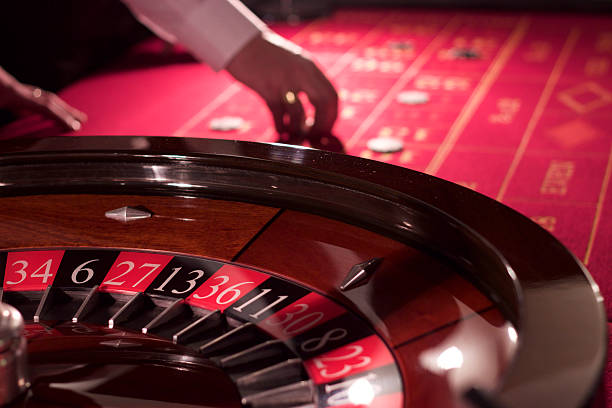
The role of randomness becomes even more pronounced in games like roulette, where each spin can lead to vastly different outcomes. Players place their bets not based solely on logic but also on the belief that fortune may favor them at that moment. This unpredictability provides both excitement and a challenge, stimulating players’ desires for engagement and risk-taking. The thrill of watching the ball bounce around the wheel, with the potential for a big win, is a fantastic representation of how chance can dictate the course of a gaming session.
Furthermore, the element of chance extends beyond just the gameplay itself; it influences the casino’s economic model. The house edge ensures that while luck plays a significant role, the casino ultimately maintains profitability over time. This delicate balance between chance and strategy perpetuates the cycle of play, as players are drawn back by their desire to outsmart fortune, even knowing that the odds are often not in their favor. This cyclical nature fosters a continuous stream of players, each hoping that today might be their lucky day against the odds.
The Psychology Behind Betting and Luck
The psychology surrounding luck and betting significantly affects players’ behaviors and decision-making processes. Many players tend to develop cognitive biases that influence how they perceive luck over time. For example, the gambler’s fallacy leads individuals to believe that past outcomes affect future ones, compelling them to chase wins or avoid losses based on flawed logic. This psychological aspect often drives players to alter their betting strategies, all in the name of luck, illustrating how perception can shape actions in unpredictable ways.
Additionally, players often engage in rituals or superstitions, believing that certain actions can attract good fortune. Whether it’s wearing lucky socks, rubbing a charm, or choosing particular numbers, these behaviors highlight the intrinsic link between luck and personal belief systems. Such rituals reinforce the notion that luck is something players can influence, even if rational analysis suggests otherwise. The intertwining of belief and behavior showcases how deeply rooted the concept of luck is in the psyche of casino-goers.
Understanding the psychological dynamics at play can help explain why players are willing to risk their money in a realm governed by chance. It creates a complex relationship between rationality and emotion, as players oscillate between strategic thinking and instinctual reactions to luck. This intricate interplay fuels the ongoing allure of casinos, as visitors continuously navigate their hopes and fears in pursuit of fortune. By recognizing these psychological factors, players can gain better insight into their own motivations and experiences in the casino environment.
The Role of Luck in Responsible Gambling
While luck is a significant factor in casinos, it is essential to approach the concept responsibly. A clear understanding of luck can illuminate the fine line between entertainment and the potential risks associated with gambling. Players must acknowledge that luck is not a guarantee of winning. Therefore, adhering to responsible gambling practices becomes paramount to ensure that the experience remains enjoyable. Implementing strict self-regulation can help players maintain a healthy relationship with gambling.
Encouraging players to treat their visits to casinos as a form of entertainment rather than a means to achieve financial gain highlights the importance of understanding luck’s role. Players are urged to set budgets, recognize when to stop, and understand the nature of chance. By fostering a mindset that prioritizes enjoyment over winning, it becomes easier to appreciate the thrill of gaming without succumbing to negative consequences. This perspective can transform the gambling experience from one of desperation to one of fun and excitement.
Furthermore, casinos themselves have begun implementing measures to promote responsible gambling. By providing resources and information about the nature of chance, they help educate players on the role of luck and the importance of playing within their means. This responsibility not only safeguards the well-being of the players but also contributes positively to the overall gaming environment. By encouraging a culture of responsible gambling, casinos can help mitigate the risks associated with chance-based games.
Exploring More About Luck and Casinos
If you’re interested in delving deeper into the fascinating world of luck and chance in casinos, there is a wealth of resources available to help you better understand this dynamic. Articles, books, and even documentaries explore the intricacies of gambling, luck, and the psychological factors involved in gaming. Additionally, engaging with forums or communities can offer further insights and shared experiences that enrich your understanding of the role of luck in gaming.
Many casinos themselves provide educational content, such as tutorials and tips regarding various games. These resources can help demystify the role of luck and encourage more informed playing strategies. Whether you are a novice or an experienced player, continuing to learn about the interplay between luck and strategy can enhance your gaming experience. Understanding the mechanics of games can help players make more informed decisions, ultimately leading to a more satisfying experience in the casino.
In conclusion, the exploration of luck and chance in casinos reveals a complex interplay between psychology, randomness, and responsible gambling practices. Engaging with this subject matter can lead to a deeper appreciation for the games and the experiences they offer. Through a blend of understanding and enjoyment, players can navigate the world of casinos while embracing the unpredictable nature of luck.